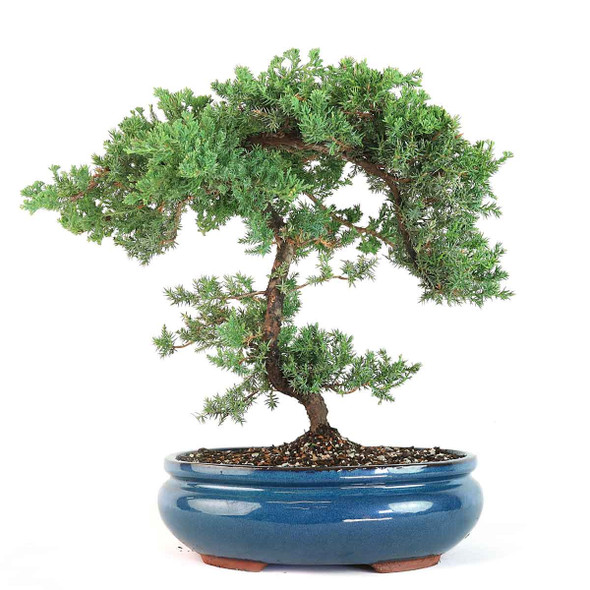
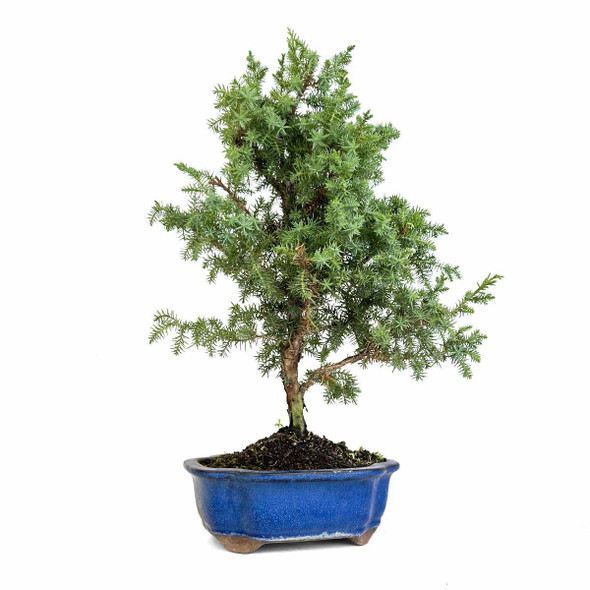
Limited Time Juniper Pre-Bonsai Pack (3)

Limited Time Juniper Pre-Bonsai Pack (3)

$49.00
  • SKU: 811000-03
  • Description: Create and style your own bonsai with this set of three Juniper trees. Each tree arrives in a grower’s pot, giving you the opportunity to select your own bonsai pots and transform the trees into unique bonsai creations.
  • Bonsai Tree Age: 2-3 Years Old
  • Height: 7" - 9" Tall with Growers Pot
  • Pot: 4" Growers Pot
  • Classification: Conifer Evergreen
  • Level: Beginner/Intermediate
  • Species: Juniper
  • Translates to "Eastern Leaf" in Chinese.
  • Bonsai Wire Assortment Pack
In Stock & Ready To Ship!
Current Stock:Only left:
Description

Create and style your own bonsai with this set of three Juniper trees. Each tree arrives in a grower’s pot, giving you the opportunity to select your own bonsai pots and transform the trees into unique bonsai creations.

Juniper procumbens ‘Nana’ is a popular choice for bonsai because of its hardy nature, attractive evergreen foliage, and flexibility for shaping and training. With three individual trees, you can experiment with different potting, pruning, and styling techniques or create a coordinated bonsai collection.

Trees have been grown and maintained with regular care throughout the year and are ready for you to begin developing into your own bonsai.

Tree Specifications:
- Quantity: 3 Juniper Trees
- Botanical Name: Juniper procumbens Nana
- Common Name: Juniper
- Height: 7 - 9 inches
- Pot: 4" growers pot
- Age: 2-3 Years

Recommended for bonsai enthusiasts familiar with basic bonsai care, repotting, pruning, and maintenance. As living plants, each Juniper will vary naturally in trunk shape, branching, foliage, and overall appearance, providing a unique starting point for your bonsai designs. Bonsai pots not included. Juniper tree shape may vary. All sales are final.


Care Information

 
Pruning Tips:
Juniper bonsai trees can be trained either using the clip and grow method or with bonsai training wire. Juniper will back bud easily when cut back. Due to this nature, undesirable branches can be removed to allow new shoots to sprout. If training with wire, we recommend using a wire that is 1/3 to 1/2 the diameter of the branch. This will ensure that the wire is strong enough to hold the branch into the desired position. We do not recommending pinching new growth as this will weaken the branch. Instead, we prefer to cut the back on the growth with shears to shorten branches. Regularly thin out your foliage to let in light to prevent inner foliage from browning.

Fertilizing:
We recommend fertilizing your bonsai tree every month with a bonsai fertilizer. Time release granules are the easiest to use and can be added every season. Reduce the amount of fertilizer during the winter. Take care to not over-fertilize as this can cause your leaves to burn or grow too leggy.

Lighting:
Juniper Bonsai trees thrive best with natural sunlight. We recommend filtered natural sunlight. If placed in full sun, take care to manage your watering to prevent your tree from drying out.

Temperature Requirements:
Junipers are very hardy to all climates including both hot and cold condtions. Due to their evergreen nature, juniper bonsai trees will maintain their green color over all seasons. However, may darken during the winter when the weather is cold.

Watering Requirements:
Juniper bonsai trees require moderate watering. We recommend using a soft spray to soak the soil. Ensure that water penetrates not only the topsoil but also into the roots by checking that draining is occuring on the bottom of the pot. Keep the Juniper moist at all times.

Repotting:
Juniper bonsai trees can be repotted during spring and fall for highest success rates. Avoid winter repotting as colder temperatures will make it harder for roots to recover. During repotting, we recommend trimming off older roots to promote new growth. After repotting, place tree in a shaded area for 2-3 weeks prior to placing back in full or partial sun.

Outdoor:
Juniper bonsai trees thrive best in outdoor conditions. During the winter, trees can be overwintered to protect from freezing.